


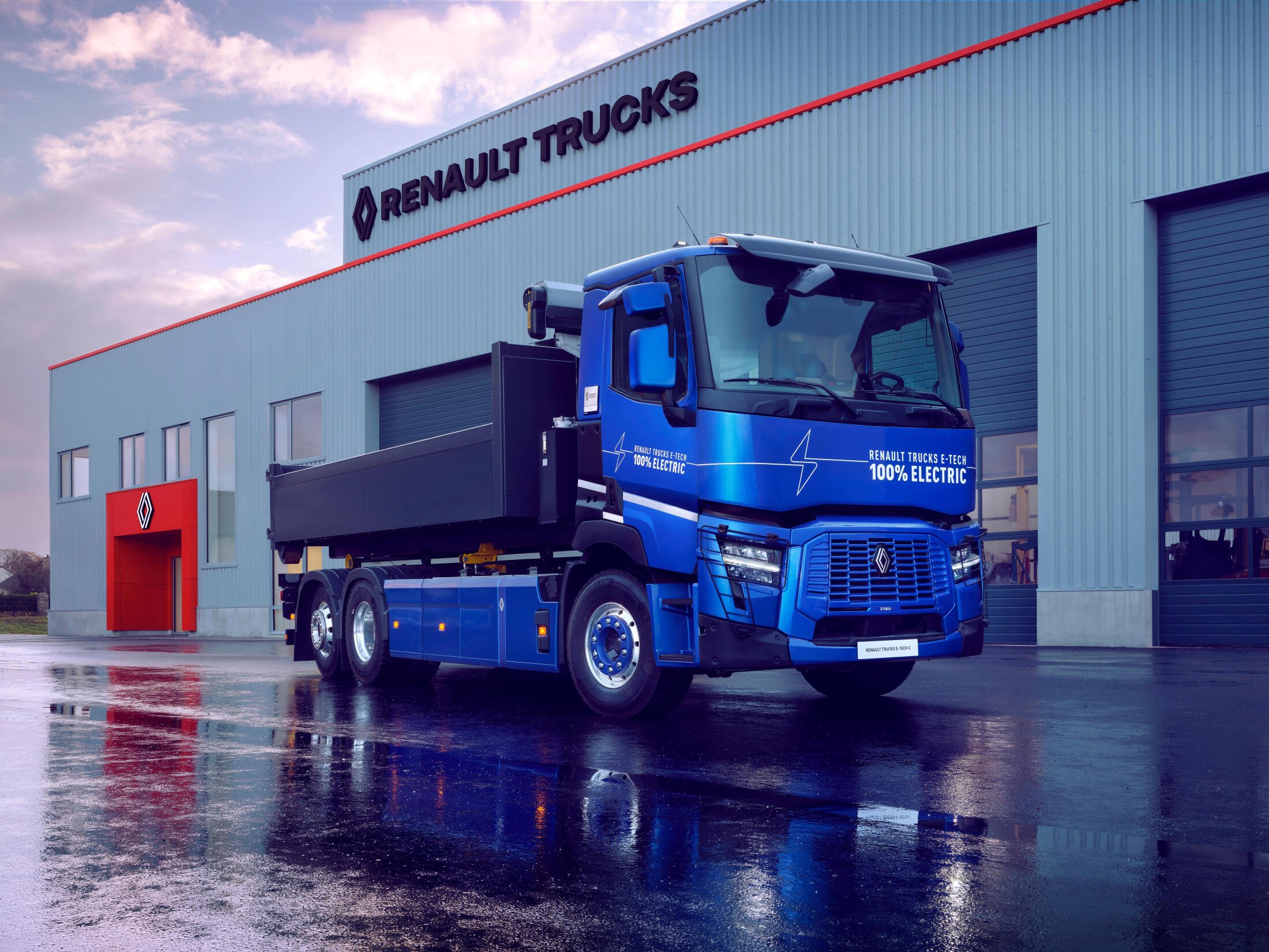
As the UK marks National EV Week, the commercial vehicle sector has been handed a significant vote of confidence from the Government. In the first budget delivered by Chancellor Rachel Reeves, the headline motoring announcement confirmed the introduction of a new pay-per-mile tax for electric cars from April 2028, set at 3p per mile for EVs and 1.5p for plug-in hybrids.
Crucially, electric commercial vehicles will be exempt from the charge.
It’s a decision widely welcomed across the fleet and logistics industry at a time when operators are under pressure to reduce emissions, control running costs and accelerate their transition to electric.
A Smart Move for Fleet Electrification
Mike Nakrani, CEO of fleet electrification company VEV, described the exemption as “a smart and welcome move” that acknowledges the essential economic role of commercial fleets. He added that removing this cost barrier is a meaningful step towards helping businesses adopt EVs at scale.
Mike Nakrani also praised progress made through the Depot Charging Scheme, which is already helping operators invest in dependable, high-power depot infrastructure. However, he stressed that broader support including expanded grants, quicker grid connections and the deployment of smart-energy systems will be vital if the UK is to unlock the true potential of commercial e-fleets.
Fuel Duty: A Mixed Message for the Sector
Alongside the EV announcement, the budget confirmed that fuel duty will remain frozen, though the temporary 5p cut introduced in 2022 will begin to be phased out from September 2026.
Logistics UK’s acting chief executive Kevin Green warned that the decision could place additional cost pressures on businesses already operating on tight margins.
Green expressed concern that rising fuel duty will increase transport costs, which could ultimately flow through the supply chain and contribute to wider inflation.
A Pivotal Moment in a Growing EV Landscape
With operators under increasing pressure to deliver sustainability targets, reduce emissions and future-proof their fleets, the timing of the commercial EV exemption couldn’t be more relevant.
National EV Week highlights the momentum behind electrification across both passenger and commercial sectors. The government’s decision to shield commercial EVs from the upcoming pay-per-mile tax sends a clear signal, one that recognises the vital role vans and trucks play in keeping the UK moving.
The message for fleet operators is clear:
The transition to electric is not just encouraged – it’s being actively enabled.
As charging infrastructure improves and operating costs become more predictable, commercial EV adoption is poised to accelerate. These announcements offer reassurance and a tangible push forward at a crucial time for the industry.